

Beacons: IP Rating Explained
Introduction
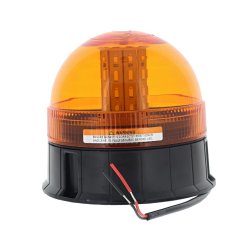
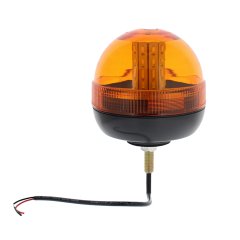
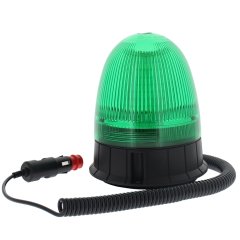
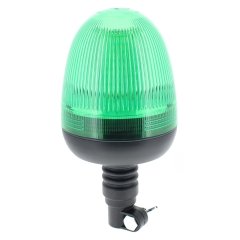
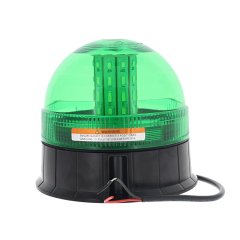
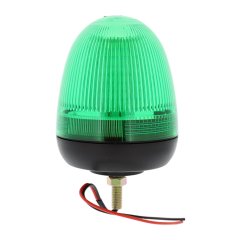
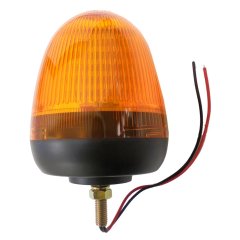
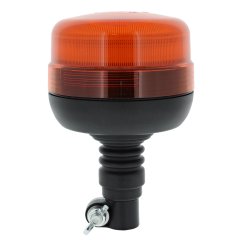
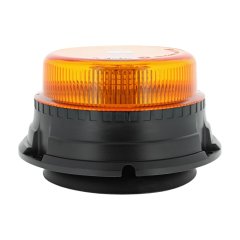
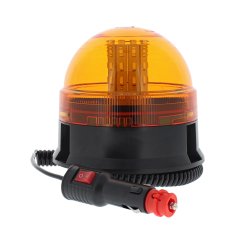
Beacons are essential for signaling, warning, and guiding in industrial and outdoor settings. When used as warning lights on construction sites, they must withstand various environmental conditions. This is where the IP (Ingress Protection) rating comes in. This post explains what an IP rating means and how it applies to beacons, specifically focusing on an IP56-rated beacon.
Understanding the IP Rating System
The IP (Ingress Protection) rating system is a global standard that measures how well electrical devices protect against solid objects and liquids. It consists of a two-digit code, with each digit representing a different aspect of protection.
- The First Digit indicates protection against solids, such as dust and dirt. It ranges from 0 to 6, with higher numbers indicating better protection against particles.
- The Second Digit indicates protection against liquids, particularly water. This digit ranges from 0 to 8, with higher numbers showing increased resistance to moisture.
The IP56-Rated Beacon: A Practical Example
Consider a beacon with an IP56 rating. This rating is common for outdoor and industrial applications due to its strong protection capabilities.
1. Solid Particle Protection (First Digit - 5):
- A rating of 5 means the beacon is moderately protected against dust and particulate matter.
- It is reasonably dust-tight, resisting most dust particles and dirt.
- While not completely dustproof, it is suitable for environments where dust is a concern, like construction sites.
2. Liquid Ingress Protection (Second Digit - 6):
- An IP56-rated beacon can handle powerful jets of water.
- It withstands heavy splashes without allowing moisture to damage its internal components.
- This makes it ideal for outdoor use, even in rainy conditions.
Using an IP56-rated beacon on a construction site ensures it will function effectively despite dust and rain. It will endure the weather, keeping workers and equipment safe and guided.
When selecting a beacon for your application, consider its IP rating along with other technical specifications. The IP rating offers insights into how well the beacon can resist dust and water. Whether you need an IP56-rated beacon for outdoor use or a different rating for specific conditions, understanding these codes is crucial for making the right choice.
Look out for IP ratings on our product listings
Solids |
Water |
|
|---|---|---|
| IP1 | Protected against a solid object greater than 50mm (e.g. Hand) | Protected against vertically falling drops of water-limited ingress permitted. |
| IP2 | Protected against a solid object greater than 12.5mm (e.g. Finger) | Protected against vertically falling drops of water when tilted up to 15 degrees - limited ingress permitted. |
| IP3 | Protected against a solid object greater than 2.5mm such as a screwdriver. | Protected against sprays of water up to 60 degrees from the vertical - limited ingress permitted for three minutes. |
| IP4 | Protected against a solid object greater than 1mm (e.g. Wire) | Protected against water splashes from all directions - limited ingress permitted. |
| IP5 | Dust protected. Limited ingress of dust permitted. Will not interfere with the operation of the equipment. Two to eight hours. | Protected against jets of water-limited ingress permitted. |
| IP6 | Dust tight. No ingress of dust. Two to eight hours. | Water from heavy seas or water projected in powerful jets shall not enter the enclosure in harmful quantities. |
| IP7 | Projection against the effects of immersion in water between 15cm and 1m for 30 mins. | |
| IP8 | Protection against the effects of immersion in water under pressure for long periods of time. |