

Fuel Storage & Greasing Best Practice in the Plant Hire Industry
In the plant hire industry, reliable equipment and environmental responsibility are crucial. Whether machines are on construction sites, infrastructure projects, or short-term hire, proper fuel storage, effective greasing routines, and robust spill control procedures are vital for maintaining performance and protecting the environment.
Poor fuel handling, inadequate lubrication, and unmanaged spills can lead to costly breakdowns, environmental damage, regulatory issues, and unnecessary downtime. Adhering to best practices helps plant hire businesses operate safely, efficiently, and responsibly.
1. Safe and Effective Fuel Storage
Fuel contamination and improper storage are frequent causes of engine problems in plant machinery. Following proper storage procedures helps maintain fuel quality and reduces the risk of spills or environmental harm.
Use Approved Fuel Storage Tanks
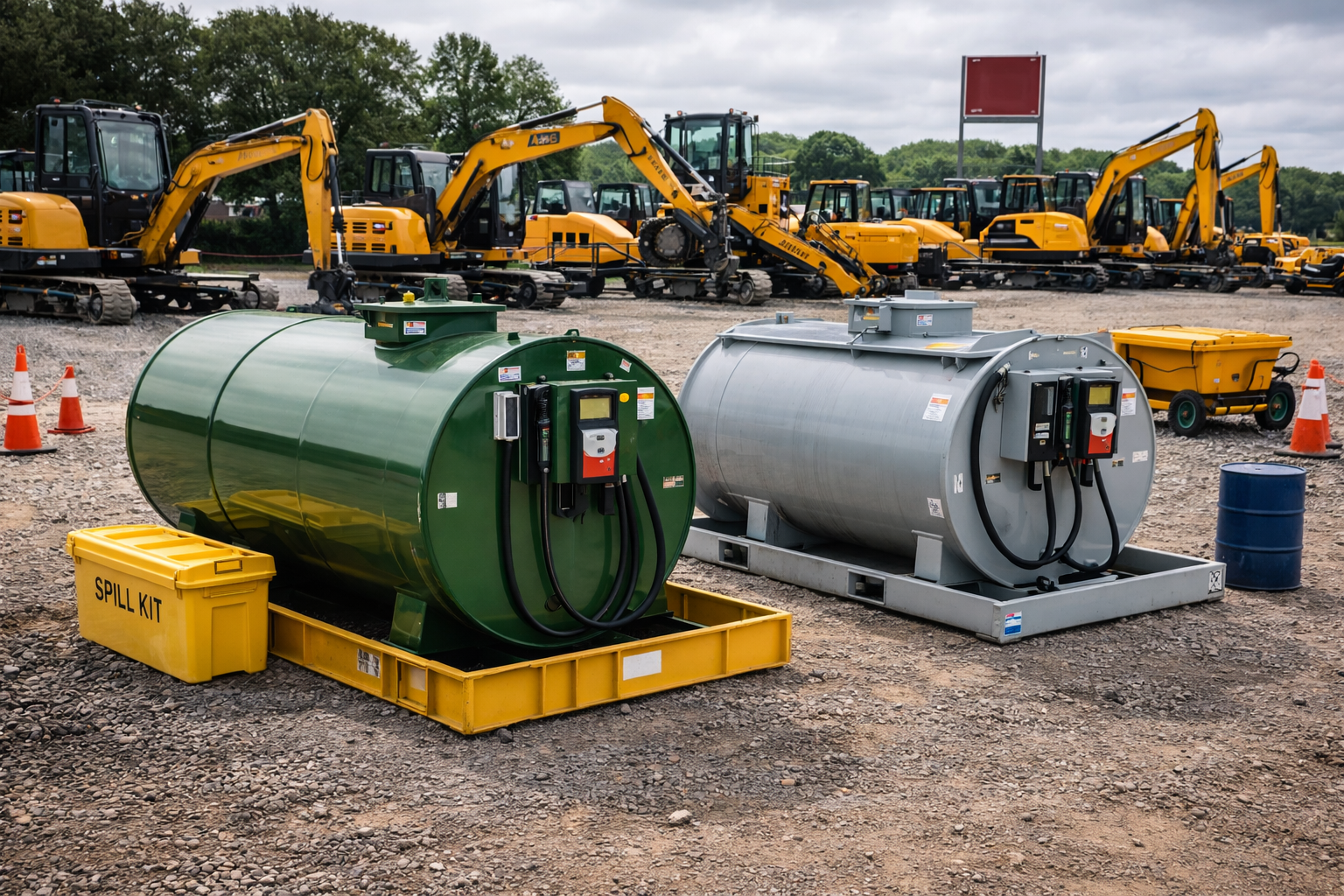
Always store diesel or petrol in approved fuel storage tanks or containers that meet relevant safety and environmental regulations. Tanks should be:
- Clearly labelled
- Secure and locked when not in use
- Fitted with appropriate dispensing systems
- Designed with secondary containment (bunding) to prevent leaks entering the environment
Bunded tanks capture accidental leaks before they can reach soil, drains, or waterways.
Protect Fuel From Contamination
Fuel contamination from water, dirt, or debris can cause serious engine damage.
To reduce contamination risks:
- Keep tanks tightly sealed
- Store tanks on stable, level surfaces
- Use filtered pumps and dispensing equipment
- Regularly inspect tanks for water accumulation or sediment
Even small levels of contamination can block injectors and damage fuel systems.
Manage Fuel Stock Correctly
Fuel has a limited shelf life, particularly diesel, which can degrade over time and encourage microbial growth.
Best practices include:
- Implementing first-in, first-out (FIFO) fuel rotation
- Avoiding long-term storage where possible
- Using fuel stabilisers or additives if fuel must be stored for extended periods
2. Greasing: Preventing Wear and Extending Machine Life
Greasing is one of the most important — yet sometimes overlooked — maintenance tasks in plant equipment.
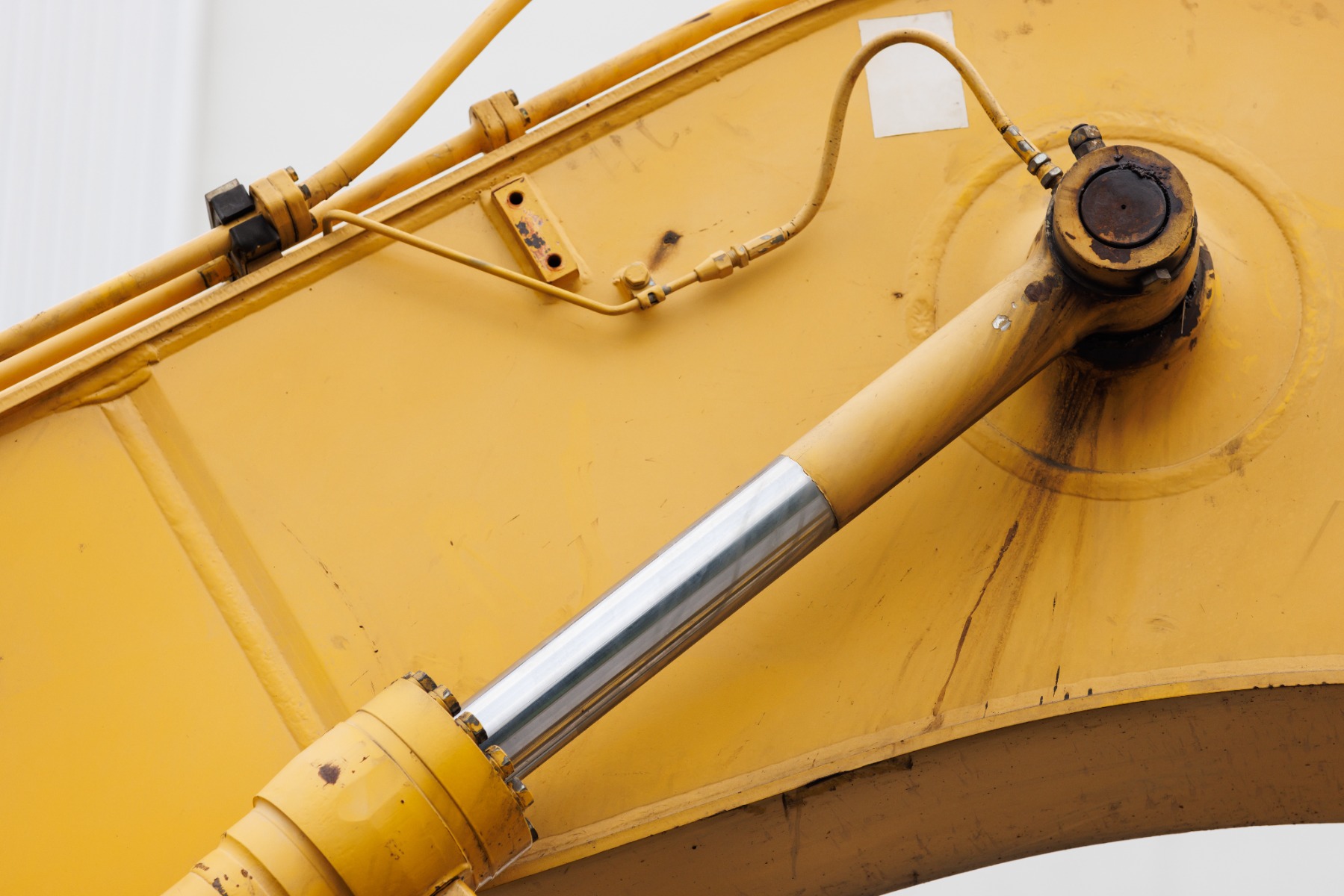
Critical moving components such as pins, bushes, pivot points, and bearings rely on lubrication to minimise friction and prevent premature wear. Without regular greasing, these parts can fail quickly.
Follow Manufacturer Greasing Intervals
Each machine has recommended lubrication intervals based on workload and operating conditions.
Typical intervals include:
- Daily greasing for high-load pivot points (e.g., excavator arms and linkages)
- Scheduled greasing for bearings and rotating joints
- More frequent greasing in dusty, wet, or heavy-duty environments
Always consult the manufacturer’s service schedule.
Use the Correct Grease
Different applications require different grease types. Using the correct grease improves protection and longevity.
Common types include:
- Lithium-based grease for general-purpose lubrication
- High-pressure (EP) grease for heavily loaded components
- Water-resistant grease for machines operating in wet conditions
Apply Grease Correctly
Proper greasing technique is essential.
Best practice includes:
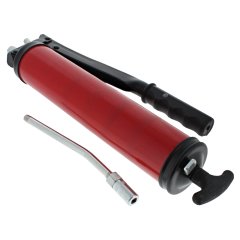
- Cleaning grease nipples before applying grease
- Pumping grease until fresh grease appears at the seal
- Avoiding excessive pressure that could damage seals or components
Routine greasing also provides an opportunity to inspect components for early signs of wear or damage.
3. Environmental Considerations
Plant hire companies have a responsibility to reduce environmental risks associated with fuel and lubricant handling.
Fuel leaks, overfilling, or improper disposal can contaminate soil and water sources and lead to regulatory penalties.
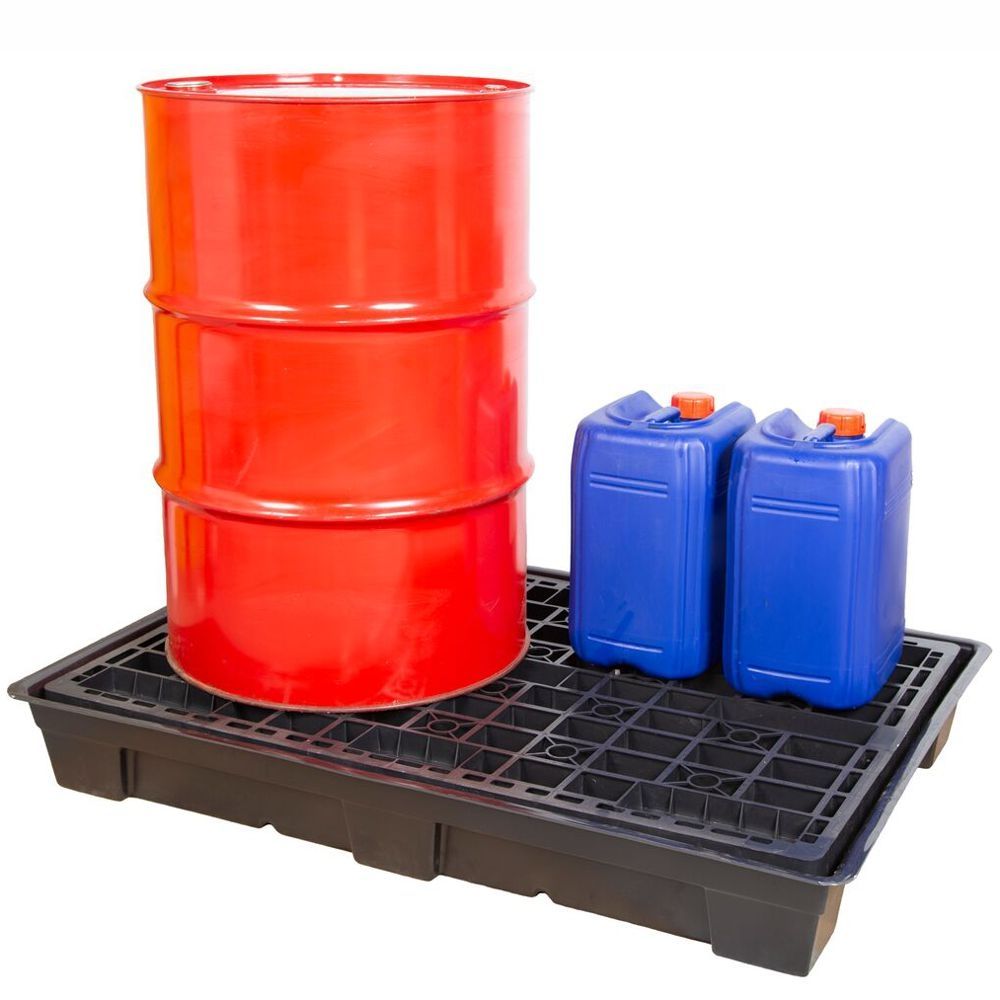
Key environmental considerations include:
- Storing fuel away from drains, watercourses, and environmentally sensitive areas
- Implementing spill response plans and training staff
- Regularly inspecting storage areas for leaks or damage
- Properly disposing of used oils and lubricants
By following these best practices, plant hire businesses can enhance equipment reliability, protect the environment, and comply with regulations.