


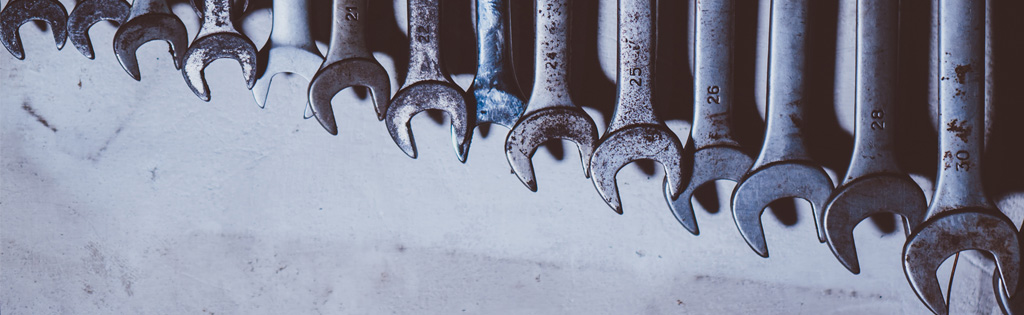
A Guide to Spanner Sizes and Measurements
Trying to match spanners to bolts can be confusing. You might hear terms like ‘M5’ or ‘M12’ without fully understanding them. This guide aims to clarify these terms and help you navigate spanner sizes effectively.
Types of Spanners:
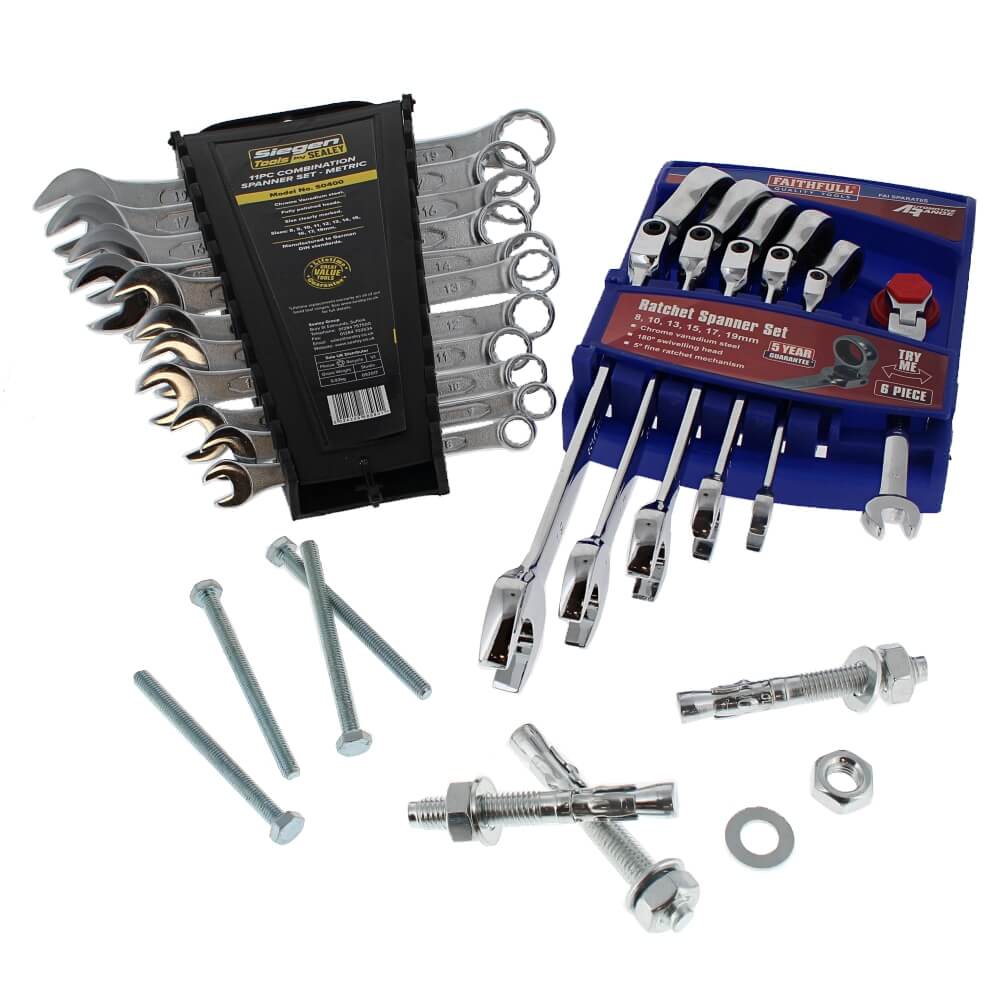
There are many types of spanners and sizes to identify for various tasks, whether plumbing, automotive work, or DIY projects. Before purchasing a spanner, ensure you know what you need. Most spanner size lists are divided into two categories: Nominal Size and Spanner Size.
Common types of spanners include:
- Hook spanners
- Monkey wrenches
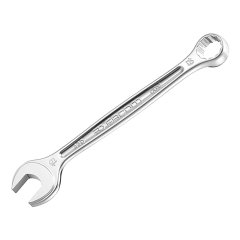
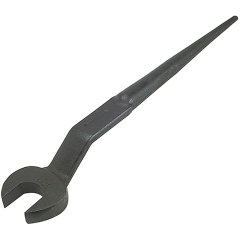
- Open end spanners
- Socket spanners
- Adjustable spanners
Each type serves different professional and DIY purposes, with unique advantages.
Spanner Measurements:
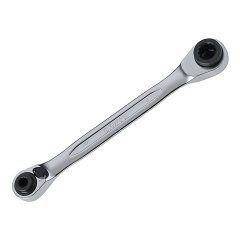
Combination spanners feature either a double-ended design or a spanner paired with a ratchet. Traditionally, spanner sizes were named after the fastener size they fit.
For instance, a ¼’’ fastener would use a ¼’’ spanner. However, the actual gap in the spanner is 13.34mm wide, while ¼’’ equals 6.35mm. This can be confusing, especially with tools from before the 1970s.
| Fastener Size | Spanner Size |
| M2 | 4mm |
| M3 | 5.5mm |
| M4 | 7mm |
| M5 | 8mm |
| M6 | 10mm |
| M7 | 11mm |
| M8 | 13mm |
| M10 | 17mm |
| M12 | 19mm |
| M14 | 22mm |
| M16 | 24mm |
| M18 | 27mm |
| M20 | 30mm |
| M22 | 32mm |
| M24 | 36mm |
| M27 | 41mm |
| M30 | 46mm |
| M33 | 50mm |
| M36 | 55mm |
| M39 | 60mm |
Today, the imperial system directly correlates with spanner sizes. The measurement is taken between the two parallel sides of the fastener head.
For example, a ½” fastener fits a spanner with a ½’’ head. Metric fasteners often use a different sizing system than metric spanners, which can lead to confusion.






© 2026 L&S Engineers Ltd. All Rights Reserved.
The UK's leading supplier of spare parts for plant hire, construction and groundcare since 1971.
Company No. 04224976.
eCommerce by AYKO
