


Back to
All Posts
Archives- August 2026
- July 2026
- June 2026
- May 2026
- April 2026
- March 2026
- April 2025
- December 2024
- September 2024
- June 2024
- April 2024
- March 2024
- December 2023
- September 2023
- June 2023
- March 2023
- November 2022
- October 2022
- July 2022
- June 2022
- May 2022
- December 2021
- November 2021
- October 2021
- August 2021
- May 2021
- April 2021
- February 2021
- January 2021
- November 2020
- September 2020
- August 2020
- July 2020
- April 2020
- February 2020
- January 2020
- December 2019
- November 2019
- October 2019
- September 2019
- August 2019
- July 2019
- June 2019
- April 2019
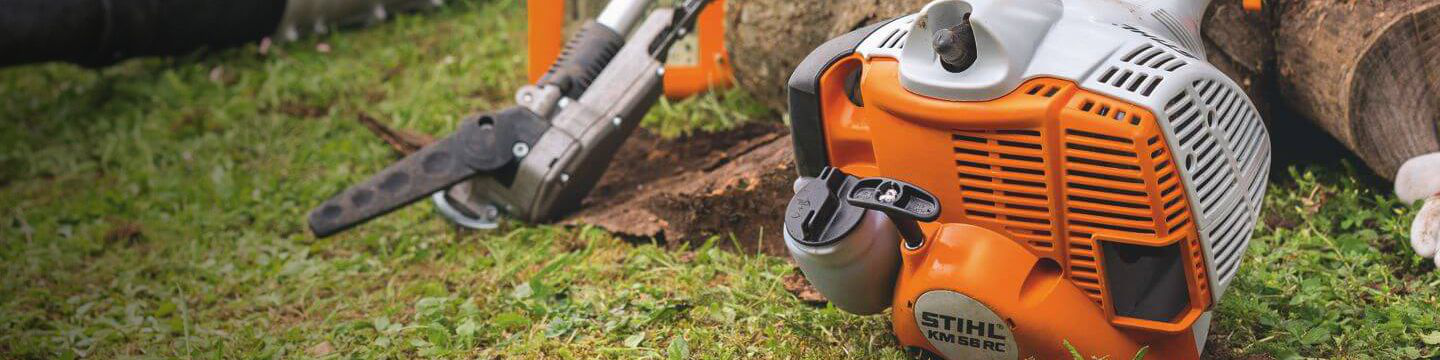
Stihl || Throughout the Years
Stihl was founded in 1926 in Waiblingen, Germany by Andreas Stihl. The company started with a single machine, a HP Two-Man electric saw. Now in its 93rd year, Stihl has grown to over 12,000 employees, including 400 expert designers and engineers. What began in Germany has become a globally recognised name in the industry and beyond.
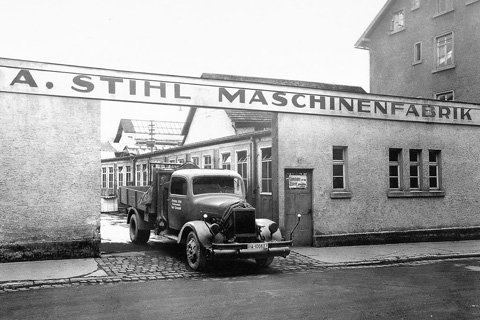

You may be curious about how the business evolved into what it is today. We’ve explored Stihl's history to bring you some interesting facts over the years.
In 1927, just one year after its founding, Andreas Stihl moved the company to a factory in Bad Cannstatt, near Stuttgart. Unfortunately, this building was severely damaged during the war, leading to another move to Waiblingen, where production remains today.
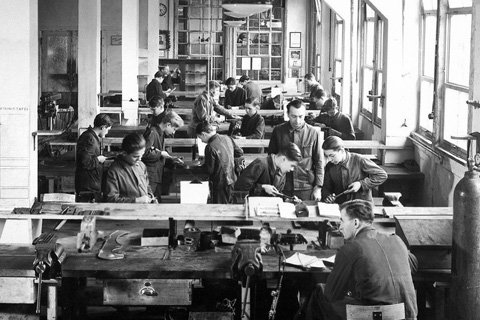
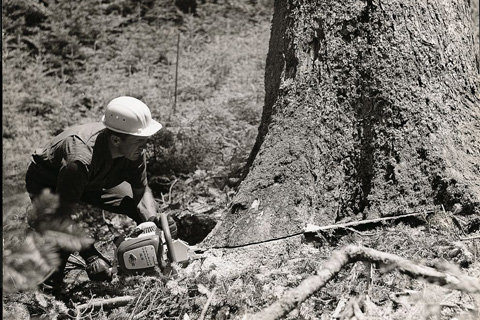
By 1930, the company was expanding rapidly. A focus on "developing good people" within the business led to the creation of an apprentice training scheme. The 1930s also saw the launch of the first petrol-driven two-man Stihl chainsaws.
Stihl's diverse range of machines and tools began in 1954. That year, they developed an attachment for their BL chainsaw, transforming it into an earth auger. This marked the start of many diversification projects for the company.
In 1959, Andreas Stihl realised his vision of creating a revolutionary "lightweight" portable chainsaw for the tree work industry.
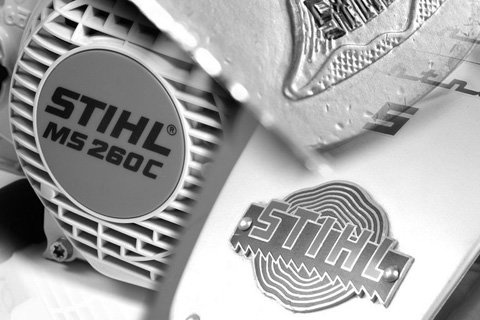
The 1970s brought further innovation for Stihl, with more mechanisation in the production process. This era also marked the beginning of the Stihl logo as we know it today. The logo evolved from a forestry-themed design to the sleek branding seen on machines across Stihl's range.
In 1992, Stihl acquired VIKING, an Austrian garden company, which rapidly expanded under the Stihl group.
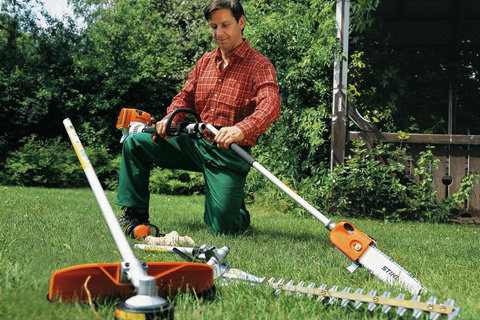
The new millennium saw Stihl launch its multi-tool concept. One engine with a splitting shaft could power a range of tools. Today, this system is known as the Kombi system.
In 2009, Stihl entered the cordless power tools market, starting with two models of hedge trimmers. These models quickly gained praise from gardeners for their portability and power, remaining popular to this day.
2010 brought even more innovation as Stihl launched their MS range of chainsaws, which are self-tuning—a "chainsaw with a brain."
As a global name in the industry, Stihl continues to create innovative product ranges. We offer a wide selection of genuine Stihl spares and machines. If you haven't already, check out our parts diagrams for popular Stihl machines, including chainsaws, hedge trimmers, and more!
Copyright Notice
No copyright infringement intended. Please note all information used is for informational purposes only. All copyright belongs to Stihl Ltd at https://www.stihl.co.uk/history.aspx. For a full list of historical information, please visit Stihl's website.