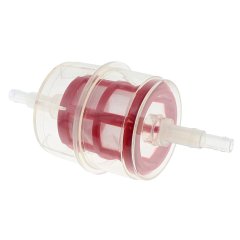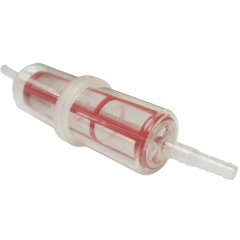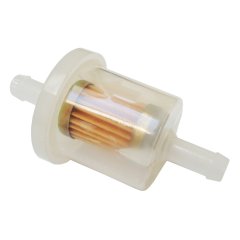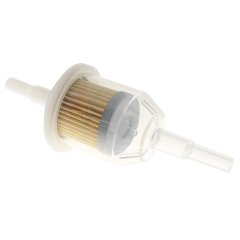


How to Replace an In-Line Fuel Filter
Keeping fuel clean on plant machinery isn’t optional. It protects injectors, fuel pumps, and overall engine performance. A blocked or dirty filter can quickly lead to poor running, hard starting, and expensive downtime.
This guide shows how to change an in-line fuel filter properly, so you avoid common mistakes and keep the machine running as it should.
Why Fuel Filter Maintenance Matters
- Reduced engine performance
- Higher fuel consumption
- Injector or pump damage
- Unexpected downtime on site
Regular filter changes are a quick job that prevent bigger problems.
Step-by-Step: Changing an In-Line Fuel Filter
1
Prepare the Machine
Park on level ground, lower all attachments, and remove the key. This prevents movement and keeps the job safe.
2
Relieve Fuel Pressure
Turn the fuel shut-off valve OFF and open the fuel cap. This stops fuel spraying when hoses are removed.
3
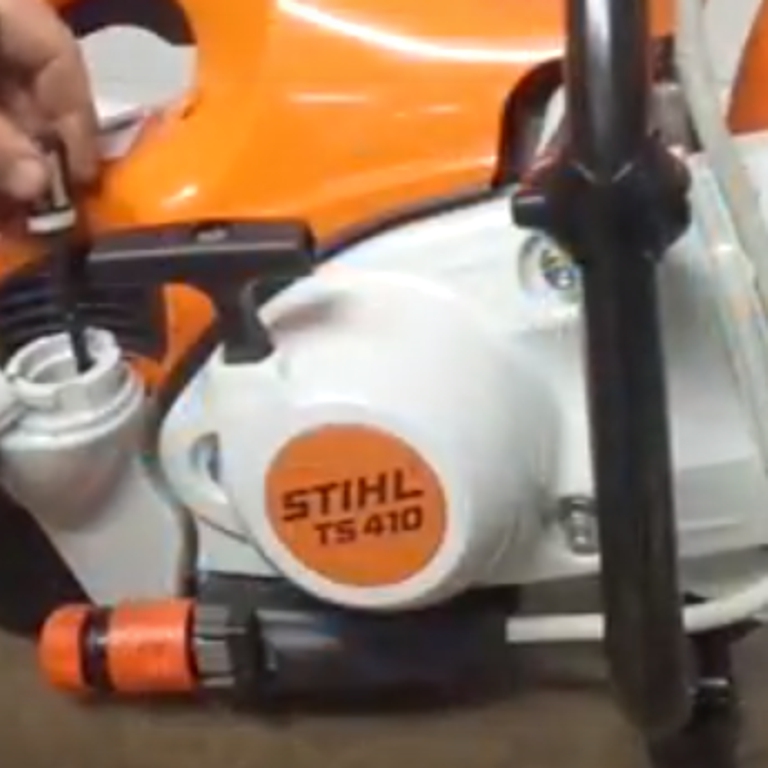
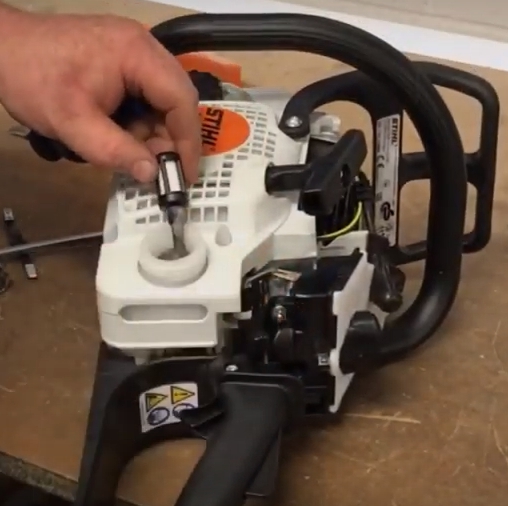
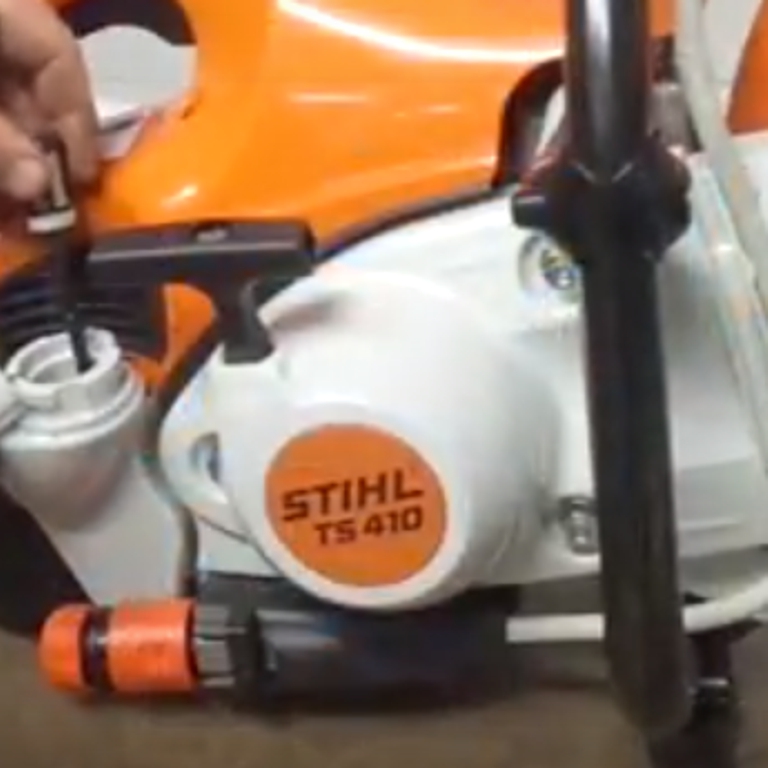
Remove the Old Filter
Loosen the hose clamps, pull off both hoses, and remove the filter. Have a rag ready to catch any fuel.
4
Fit the New Filter
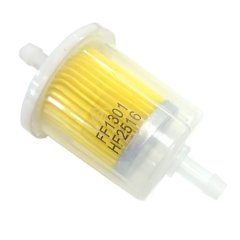
Check the flow direction arrow, push the hoses fully on, and tighten the clamps. Getting the direction wrong will restrict fuel flow.
5
Check for Leaks
Turn the fuel back ON, start the engine, and inspect all connections. Even a small leak can become a bigger issue under load.
6
Return to Service
Once everything is dry and secure, the machine is ready to go back to work.

Common Mistakes to Avoid
- Installing the filter backwards
- Not pushing hoses fully onto the filter
- Leaving hose clamps loose
- Skipping the leak check
These are the most common causes of issues after a filter change.
When Should You Replace a Fuel Filter?
- Follow manufacturer service intervals
- Replace sooner if performance drops
- Always change after contaminated fuel
Machines working in dusty or harsh environments often need more frequent changes.
Choosing the Right Fuel Filter
Always match the filter to your machine and fuel system. Using the wrong type can affect flow and filtration.
Final Word
A fuel filter change is a quick, low-cost job that protects some of the most expensive parts of your machine. Done properly, it helps avoid breakdowns, poor performance, and unnecessary repair costs.