


Back to
All Posts
Archives- August 2026
- July 2026
- June 2026
- May 2026
- April 2026
- March 2026
- April 2025
- December 2024
- September 2024
- June 2024
- April 2024
- March 2024
- December 2023
- September 2023
- June 2023
- March 2023
- November 2022
- October 2022
- July 2022
- June 2022
- May 2022
- December 2021
- November 2021
- October 2021
- August 2021
- May 2021
- April 2021
- February 2021
- January 2021
- November 2020
- September 2020
- August 2020
- July 2020
- April 2020
- February 2020
- January 2020
- December 2019
- November 2019
- October 2019
- September 2019
- August 2019
- July 2019
- June 2019
- April 2019
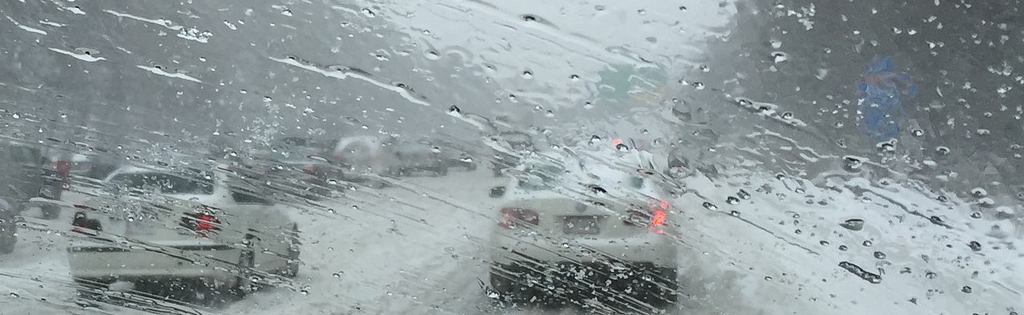
Driving in the Snow
Driving in the snow
With snow forecast across the UK this weekend and throughout winter, here’s a guide to help you stay safe on the road.

Drive Only if Necessary
If you see 10cm of snow outside, ask yourself if your journey is essential. It’s cold, slippery, and driving in snow can be hazardous. Getting stuck on the road or staying in with the heating on and a cup of tea— which sounds better? If you can postpone your trip until tomorrow, it’s wise to stay indoors.
Car Safety – Before you Set Out
Pack an Emergency Car Kit! If you get stuck, the last thing you want is to realise you don’t have warm clothes, drinks, or food to keep you going until help arrives or traffic clears.
- Shovel
- Blanket
- Warm Clothes
- Non-Perishable Food
- First Aid Kit
- Fully Charged Mobile Phone
- Jump Leads
- Ice Scraper & Deicing Fluid
- Grit, Sand or Cat Litter
It’s better to be over-prepared than underprepared. When planning any journey, allow extra time to reach your destination. Consider taking a longer route if your usual path includes small roads that may not have been gritted.
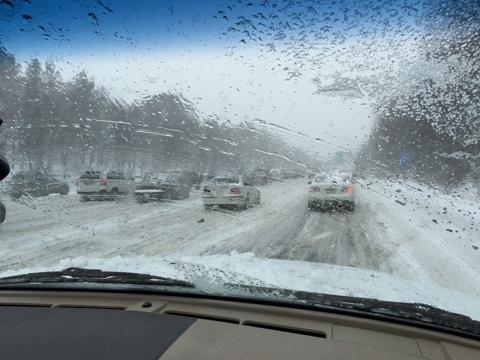
Car Maintenance
- Tyres are crucial for safety in winter. The recommended tread depth is 3mm in wet conditions. If snow persists, consider investing in winter tyres.
- Regularly clean your car during winter. The salt used for de-icing roads can cause corrosion over time.
- Get a car health check before severe weather sets in; some garages offer this service for free.
Tips for Driving in Snow
- Ensure your footwear is dry; snow and rain can make pedals slippery.
- Accelerate and decelerate slowly. Stopping distances increase in wet, slippery conditions. Allow extra time for your journey.
- When braking, apply firm, steady pressure with the ball of your foot. If you haven’t had a service in a while, winter is a good time to get it checked.
- Brake well before turning when approaching a bend.
- If the low winter sun affects your visibility, keep a pair of sunglasses handy to reduce glare.
- Maintain smooth and slow speed, braking, acceleration, and gear changes for better control.
- If you skid, stay calm. Keep your hands on the wheel and steer gently into the spin. If you’re accelerating, remove your foot from the pedal. Avoid slamming on the brakes.
For more advice on winter driving, check out RAC's complete guide to safe driving in the snow.